for THE SERVAIS FAMILY COLLECTION
I CURATED
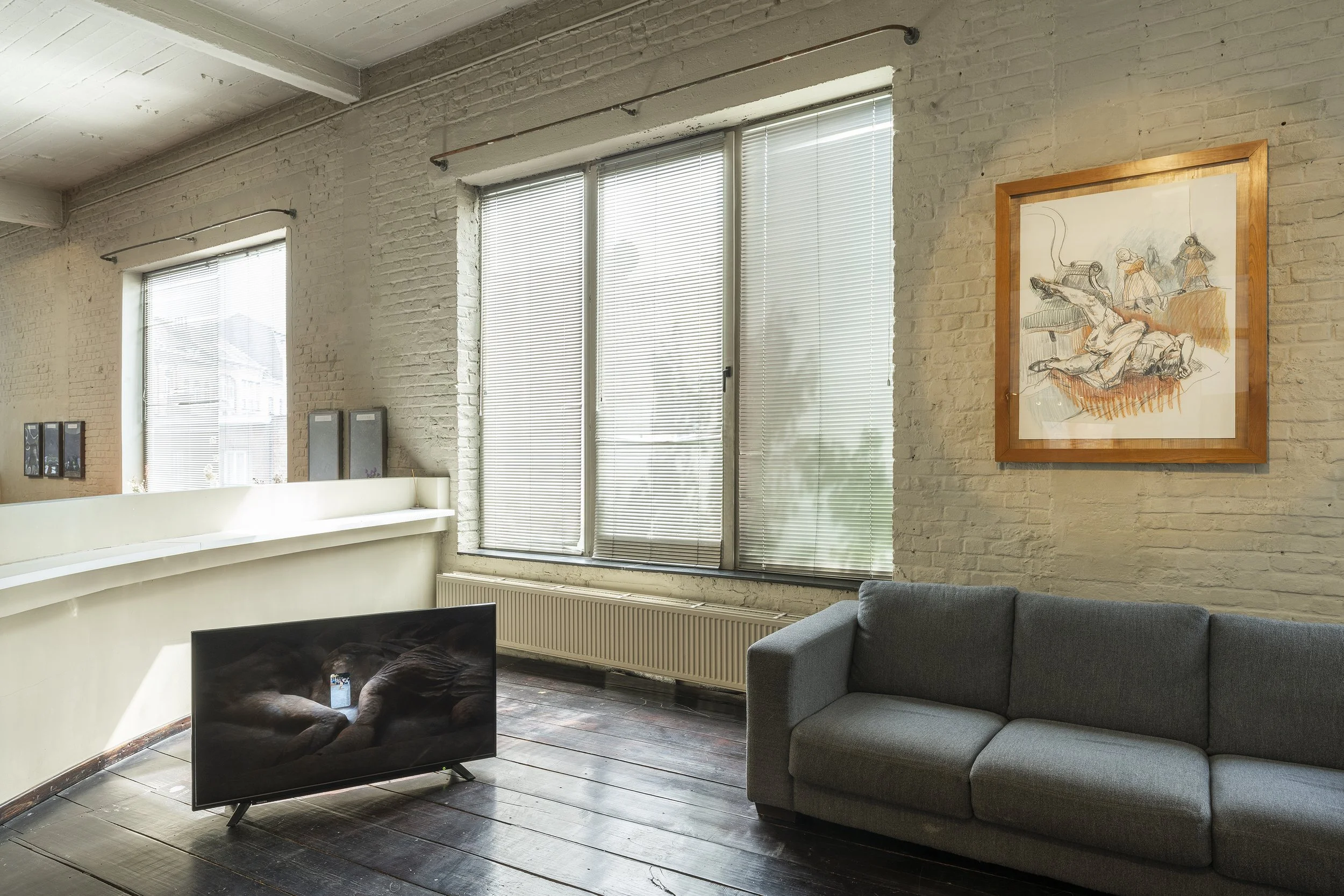
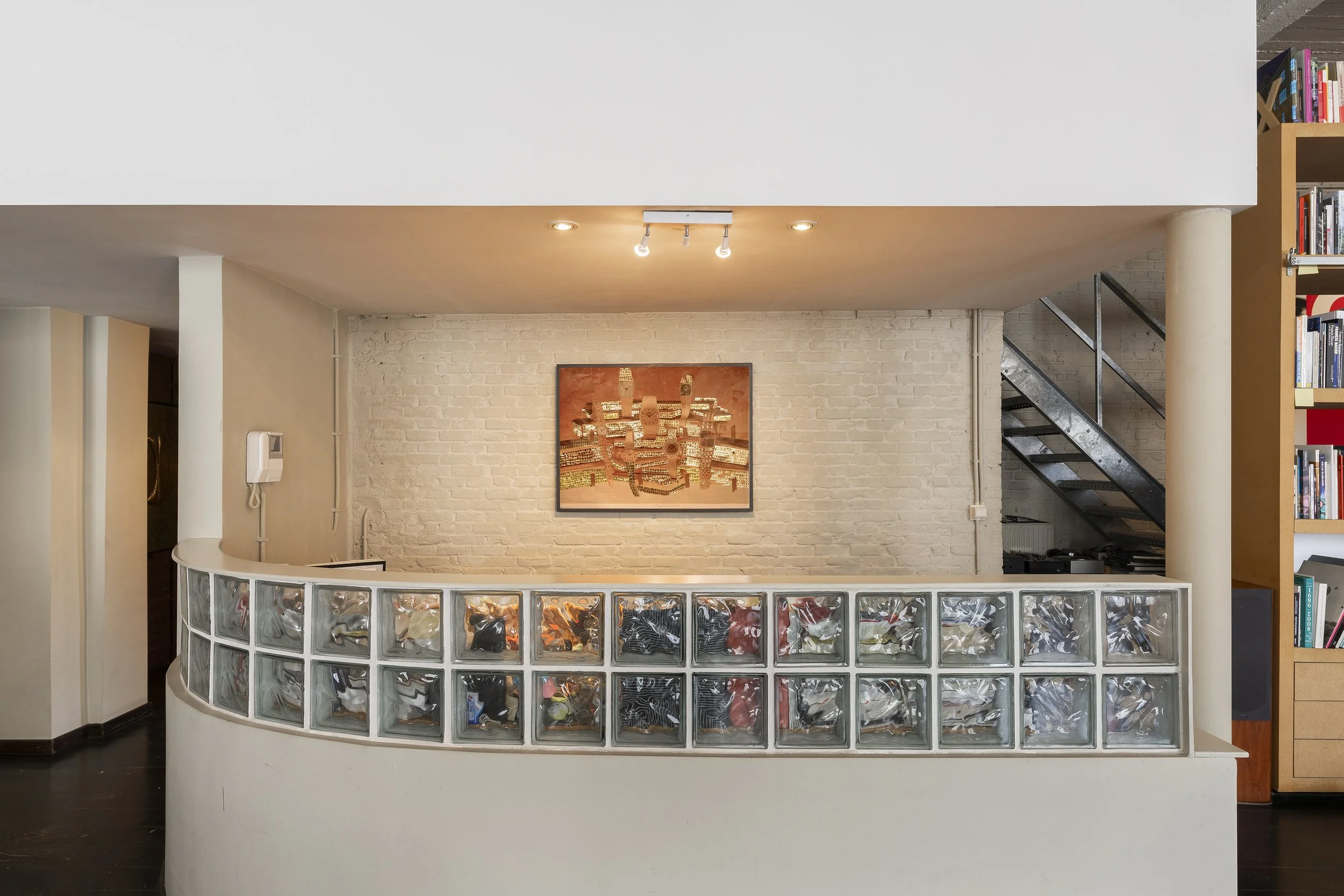
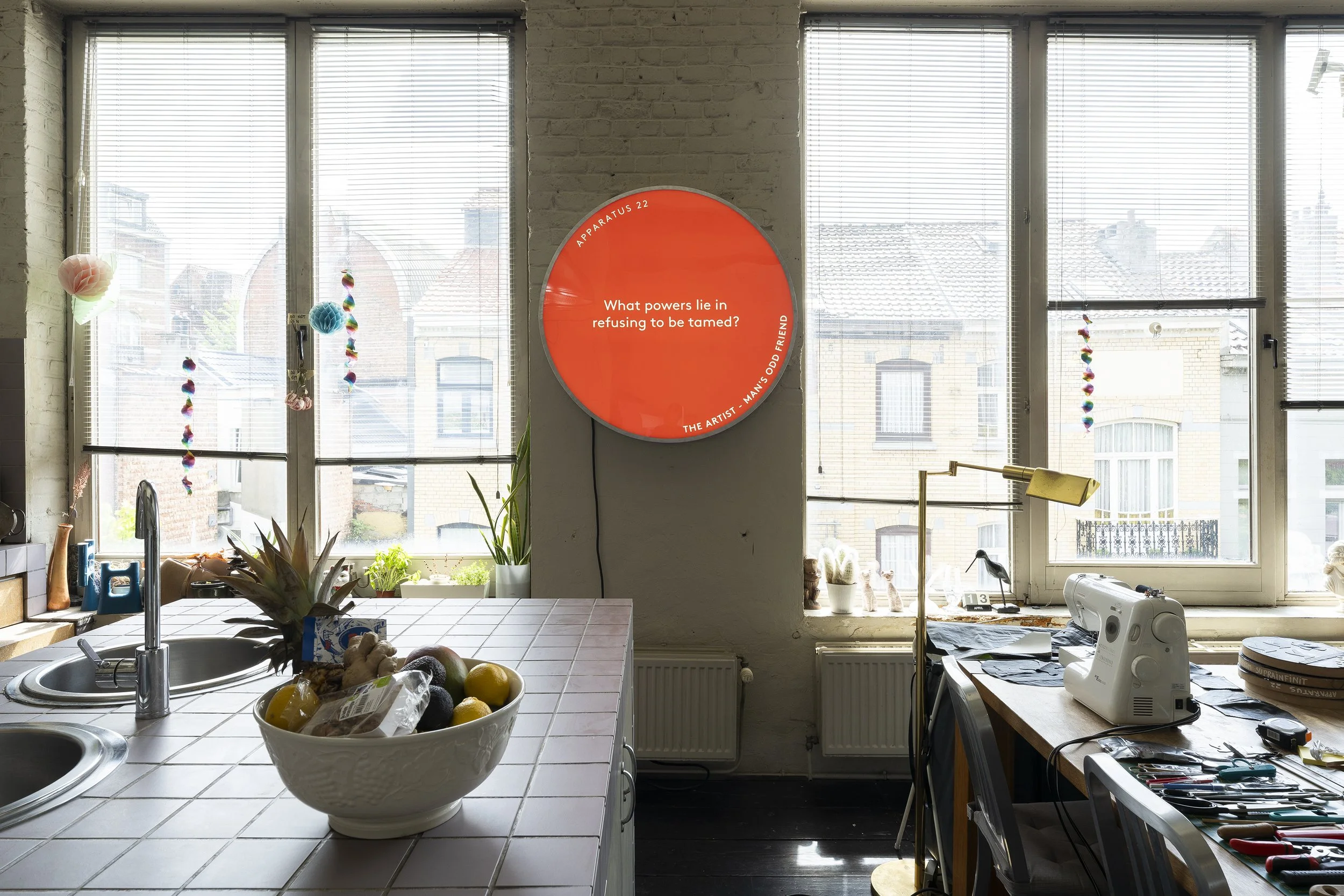
HEAR/HERE
24 April 2026 - 19 March 2027
The Loft, 1030 Brussels.
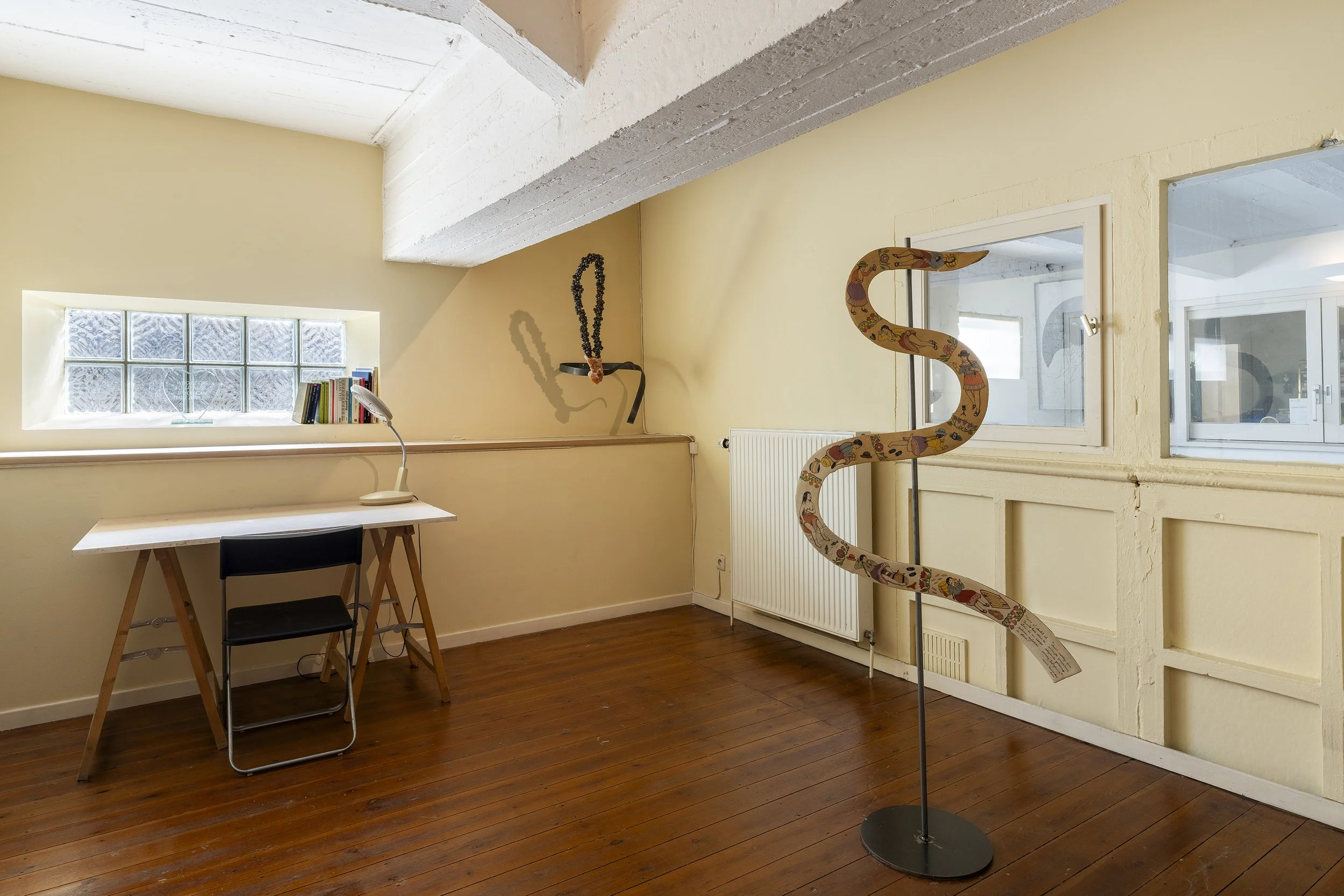
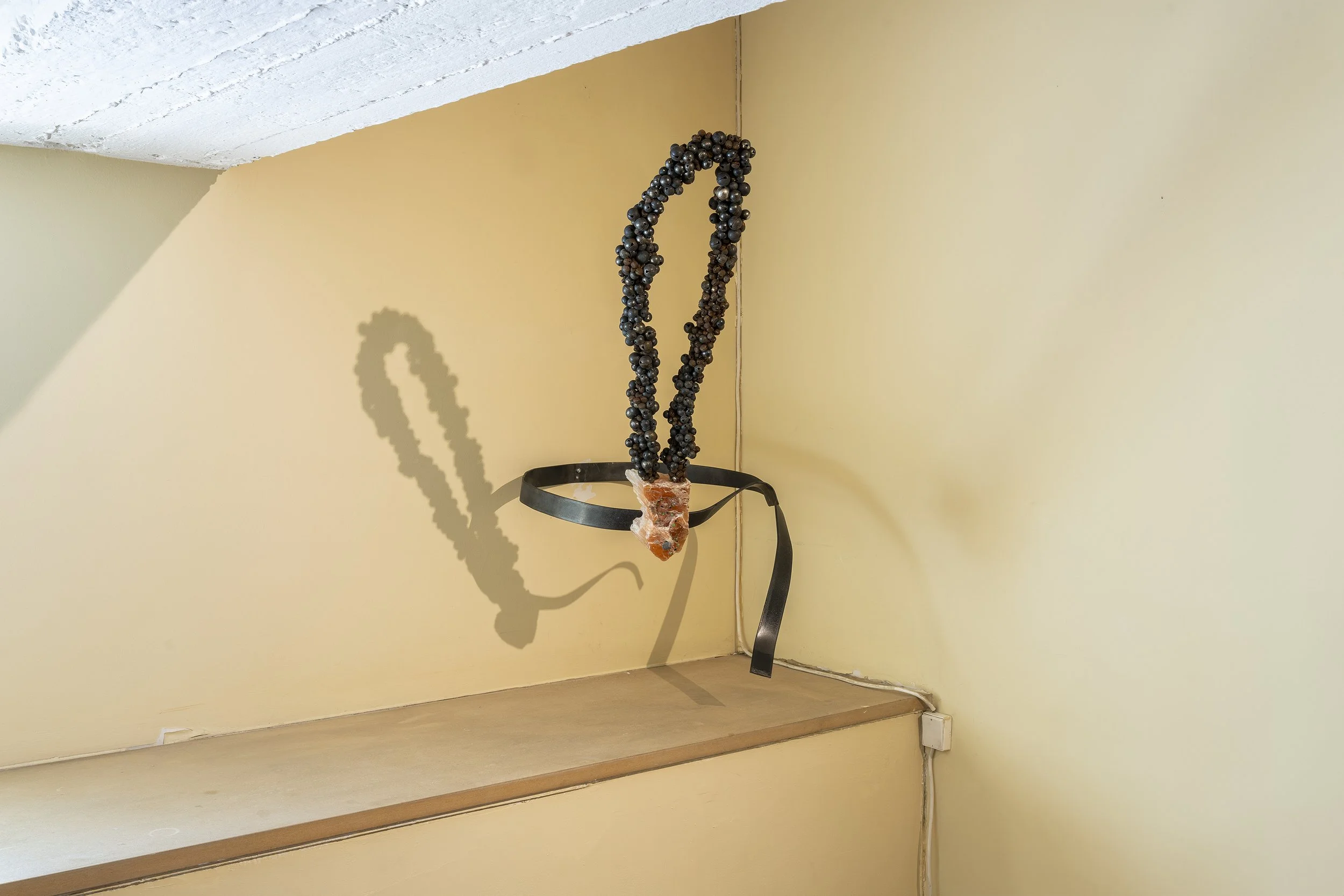
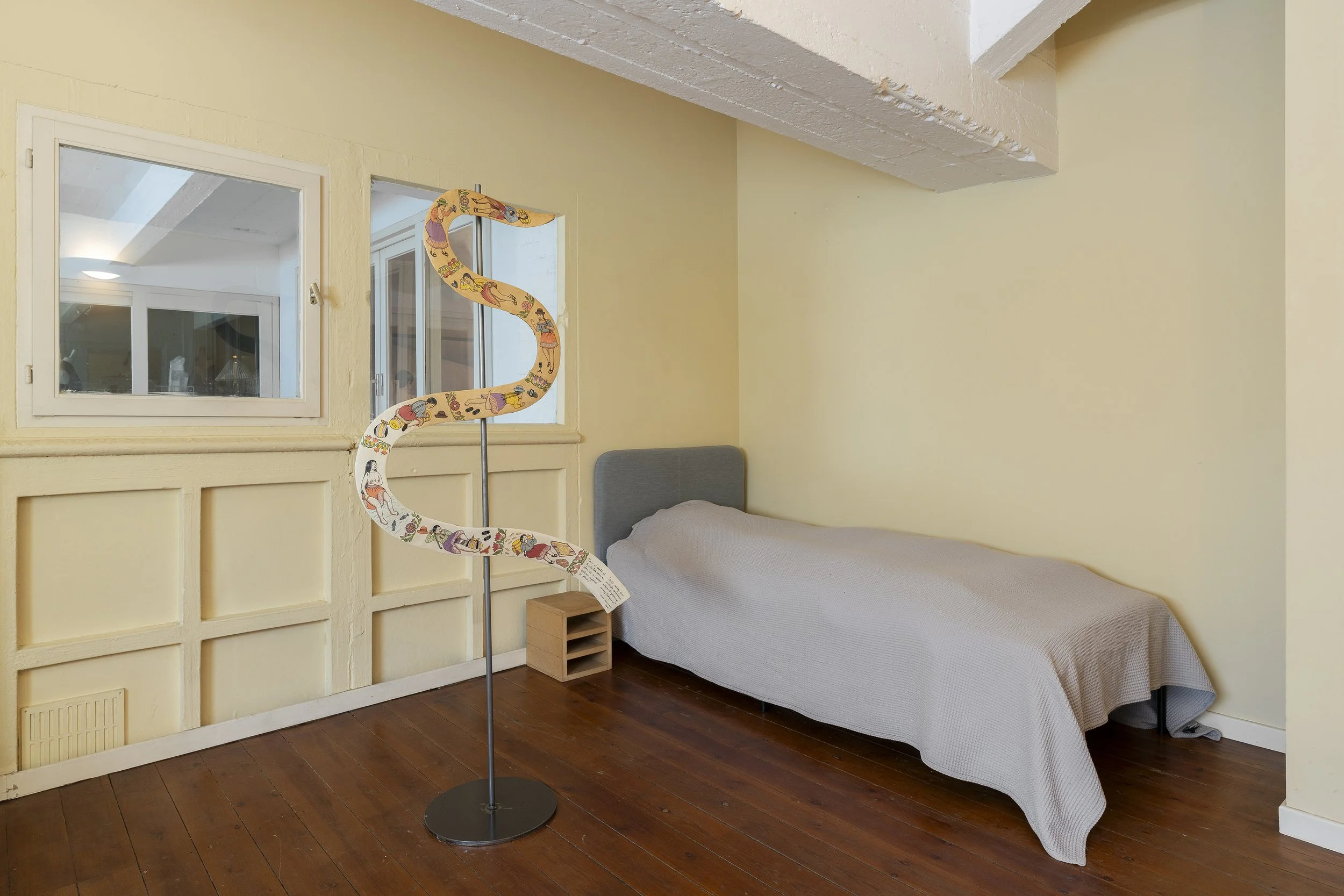
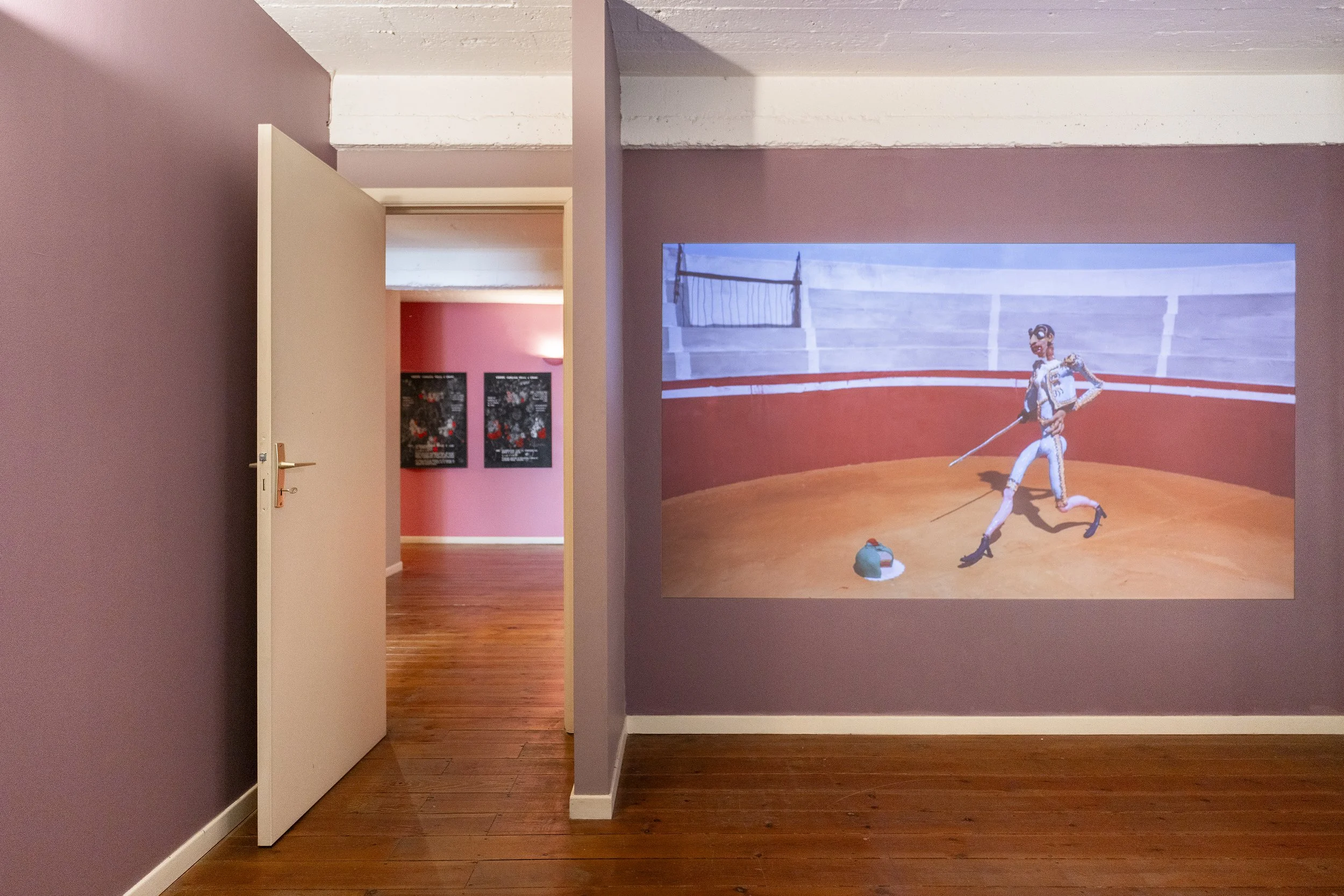
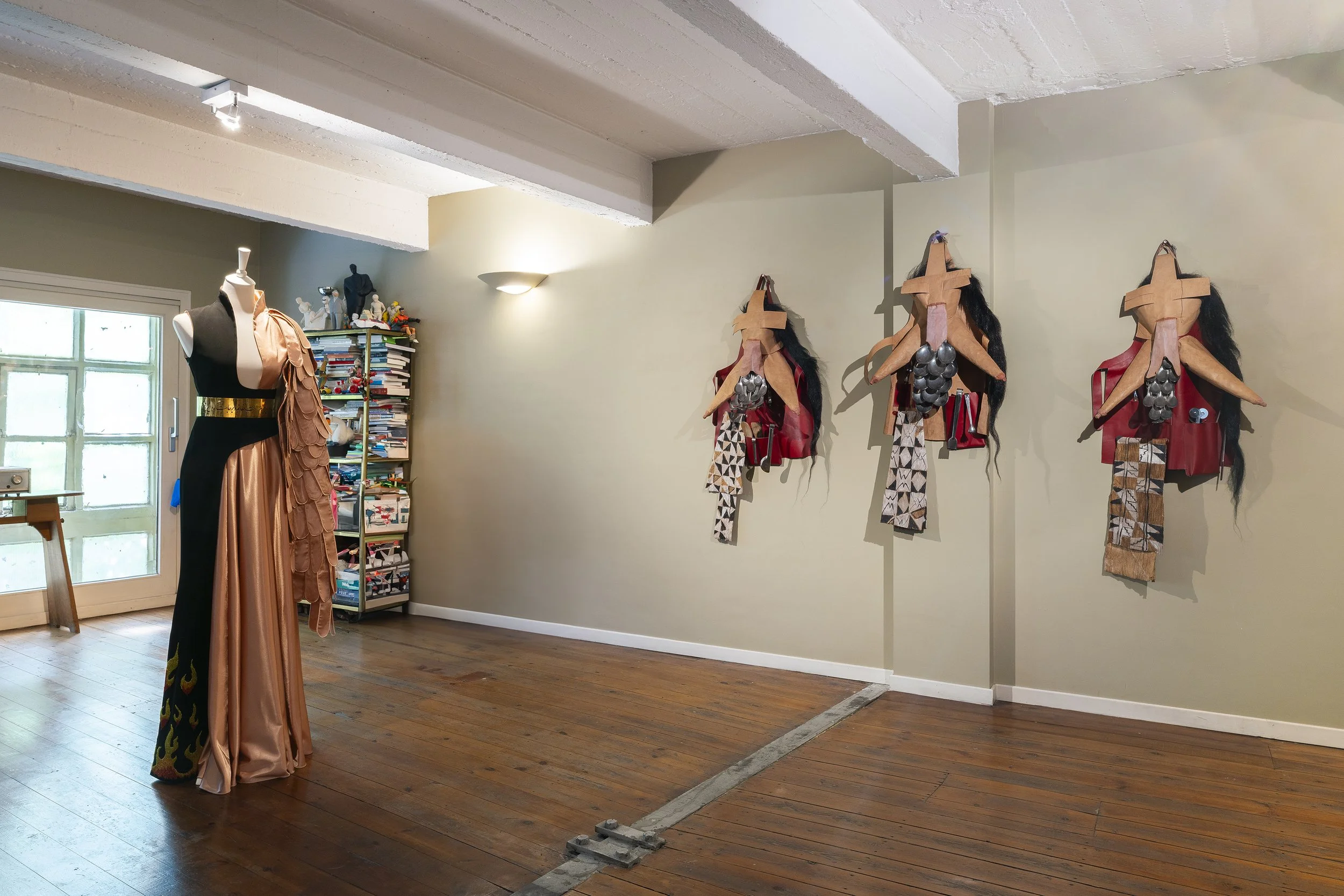
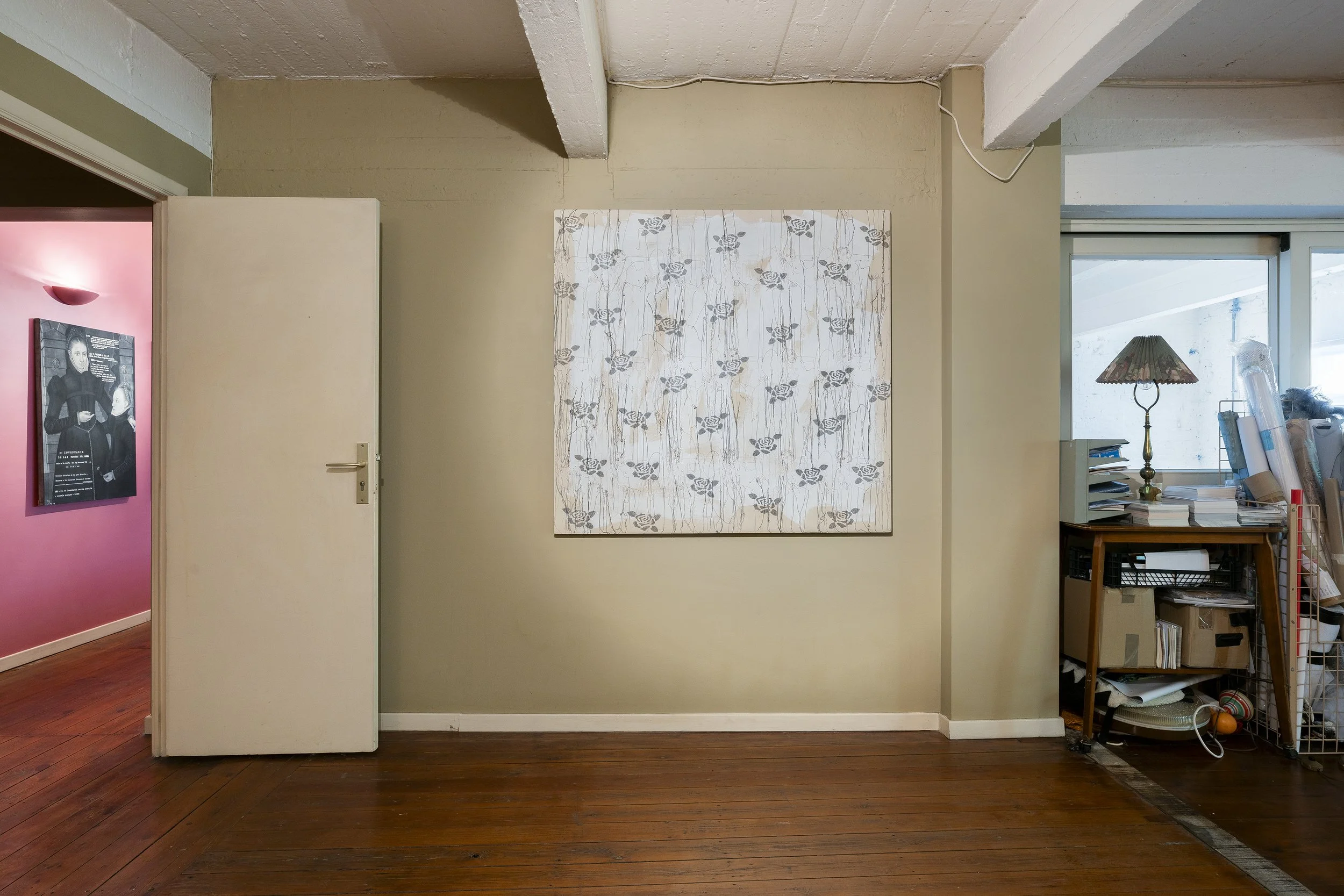
hear/here is a group exhibition curated by Lorraine de Thibault, bringing together works by Lawrence Abu Hamdan, Rada Akbar, Mathis Altmann, Ghada Amer, Belkis Ayón, Farid Belkahia, Sophie Calle, Myrlande Constant, Sara Cwynar, Olga de Amaral, Nathalie Djurberg & Hans Berg, Anju Dodiya, Kimathi Donkor, Venuca Evanán, Emilia García, Mona Hatoum, Sanja Iveković, Mella Jaarsma, Regina José Galindo, Diana Larrea, Clemen Parrocchetti, Paula Rego, Sofía Salazar Rosales, Ana Paula Santana, Mohammad Suliman, Young-jun Tak, Gillian Wearing, Hank Willis Thomas, and Leila Zelli.
Conceived as a multi-layered exploration of silence, hear/here approaches what remains unsaid not as absence, but as an active social, political, and poetic force. Drawing from anthropology, literature, and contemporary visual culture, the exhibition investigates silence as a structure through which histories are written, subjectivities are shaped, and systems of power are maintained or resisted.
The exhibition was developed through three operative nuclei, each structured around a central artwork functioning as a conceptual point of departure for one floor of the exhibition. Rather than illustrating a fixed curatorial thesis, hear/here was constructed through the works themselves, with each nucleus generating its own constellation of reflections, tensions, and associations around silence.
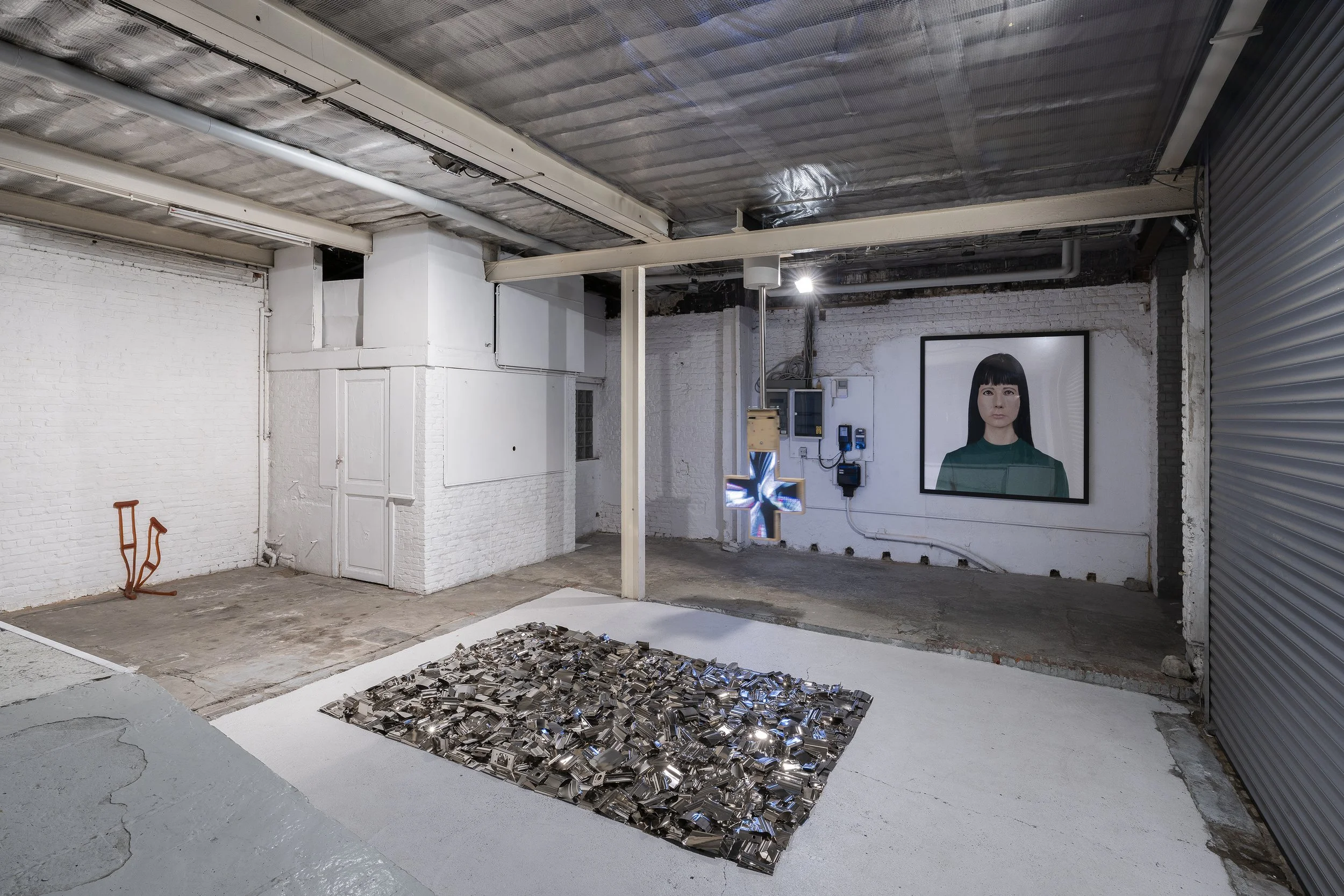
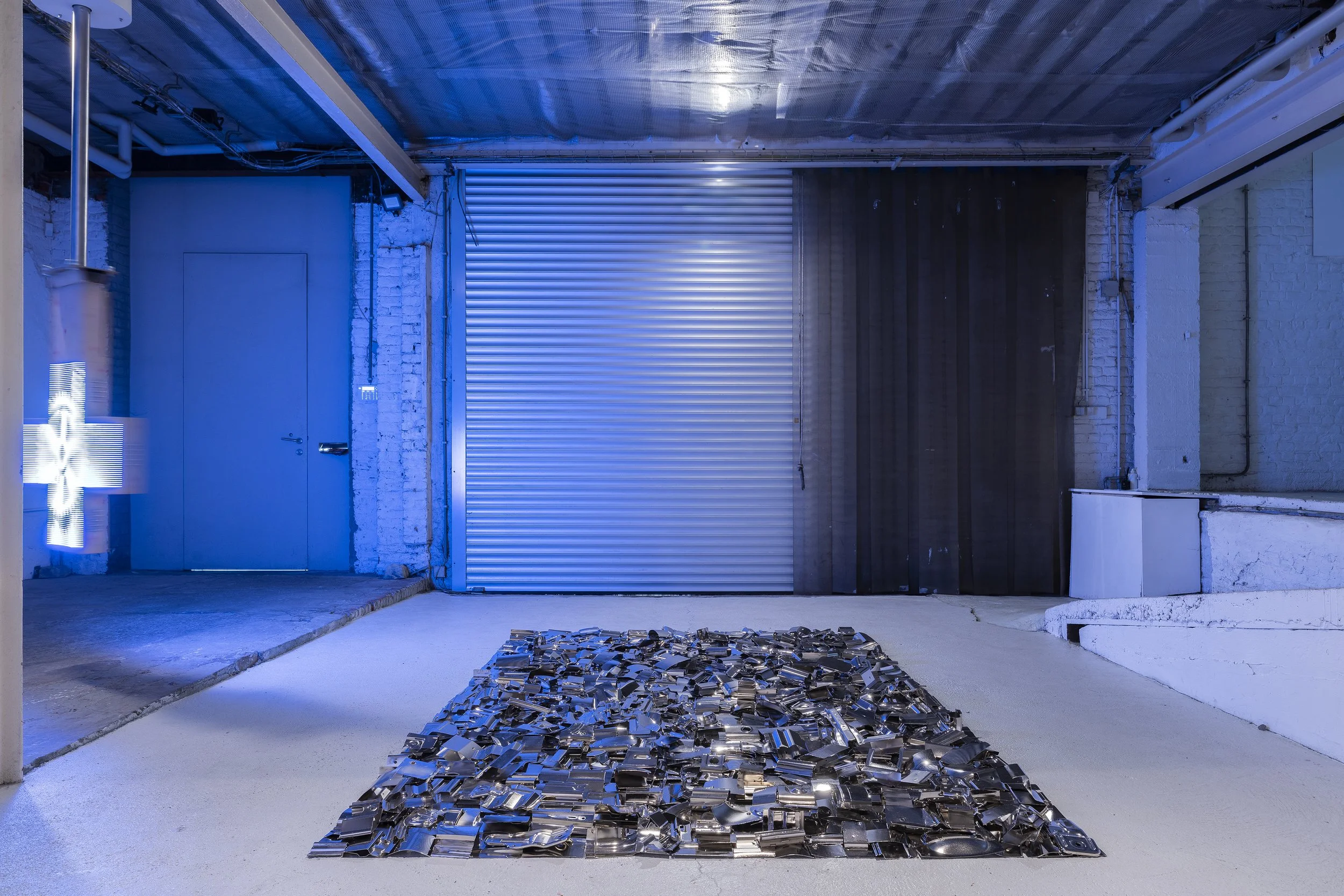
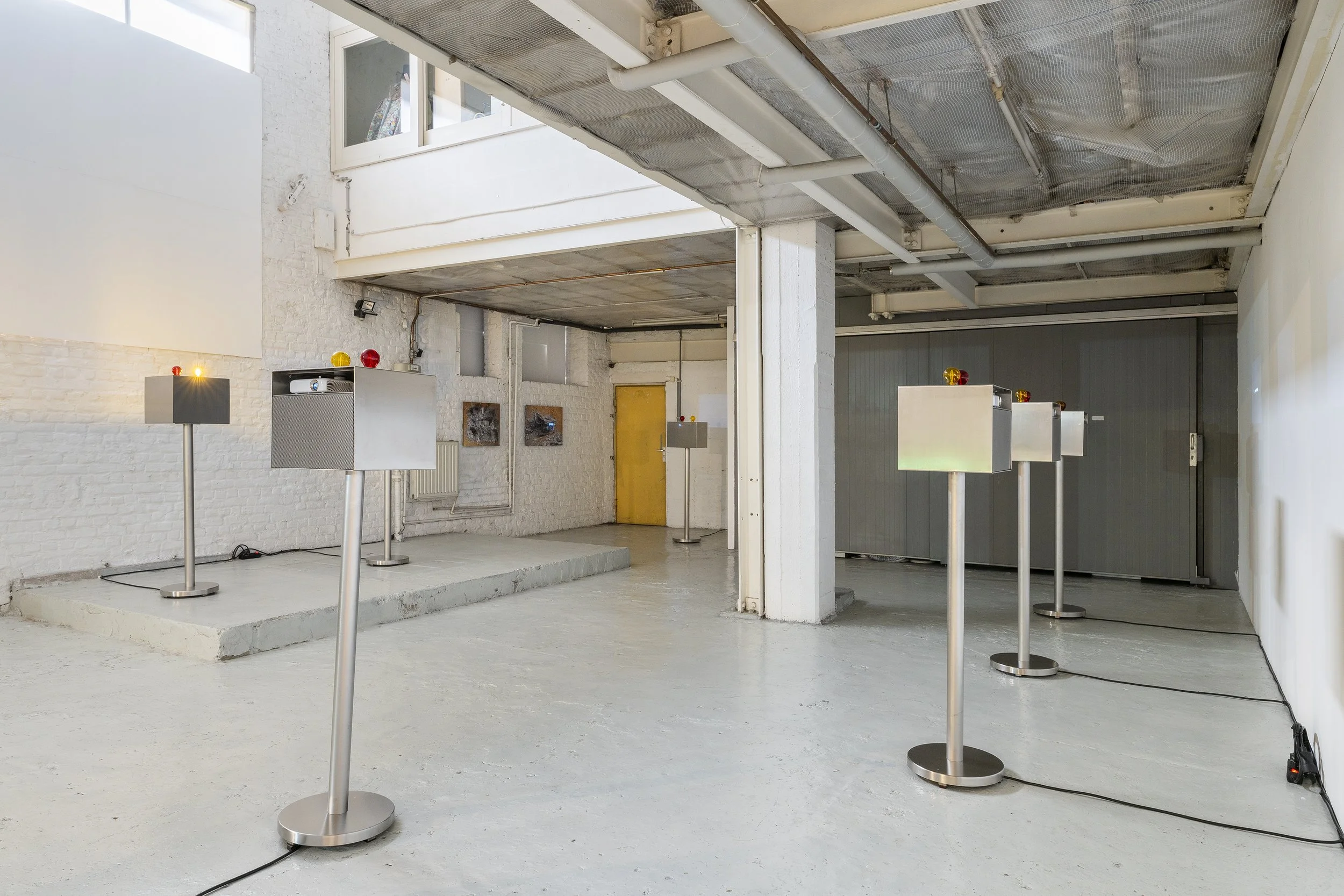
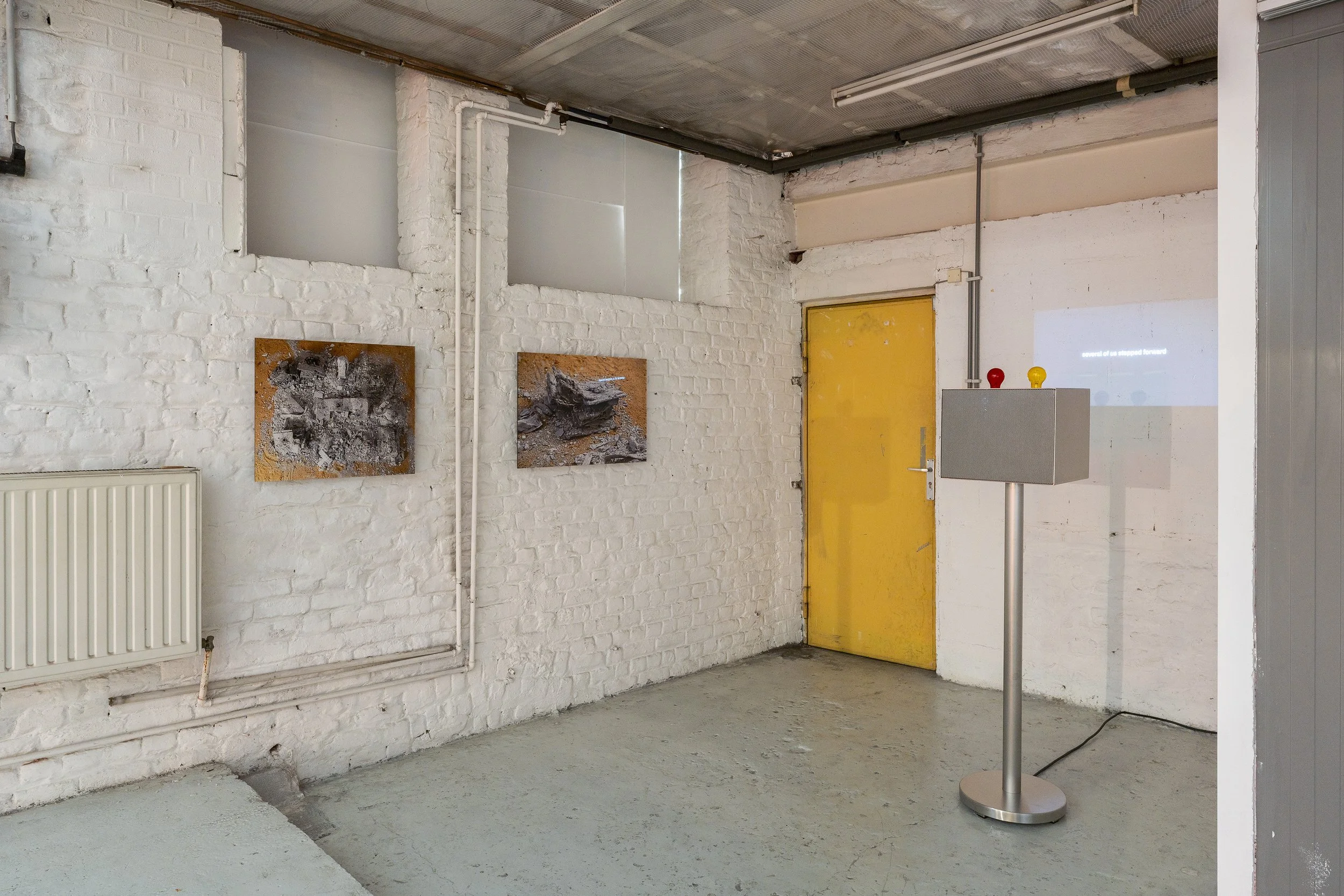
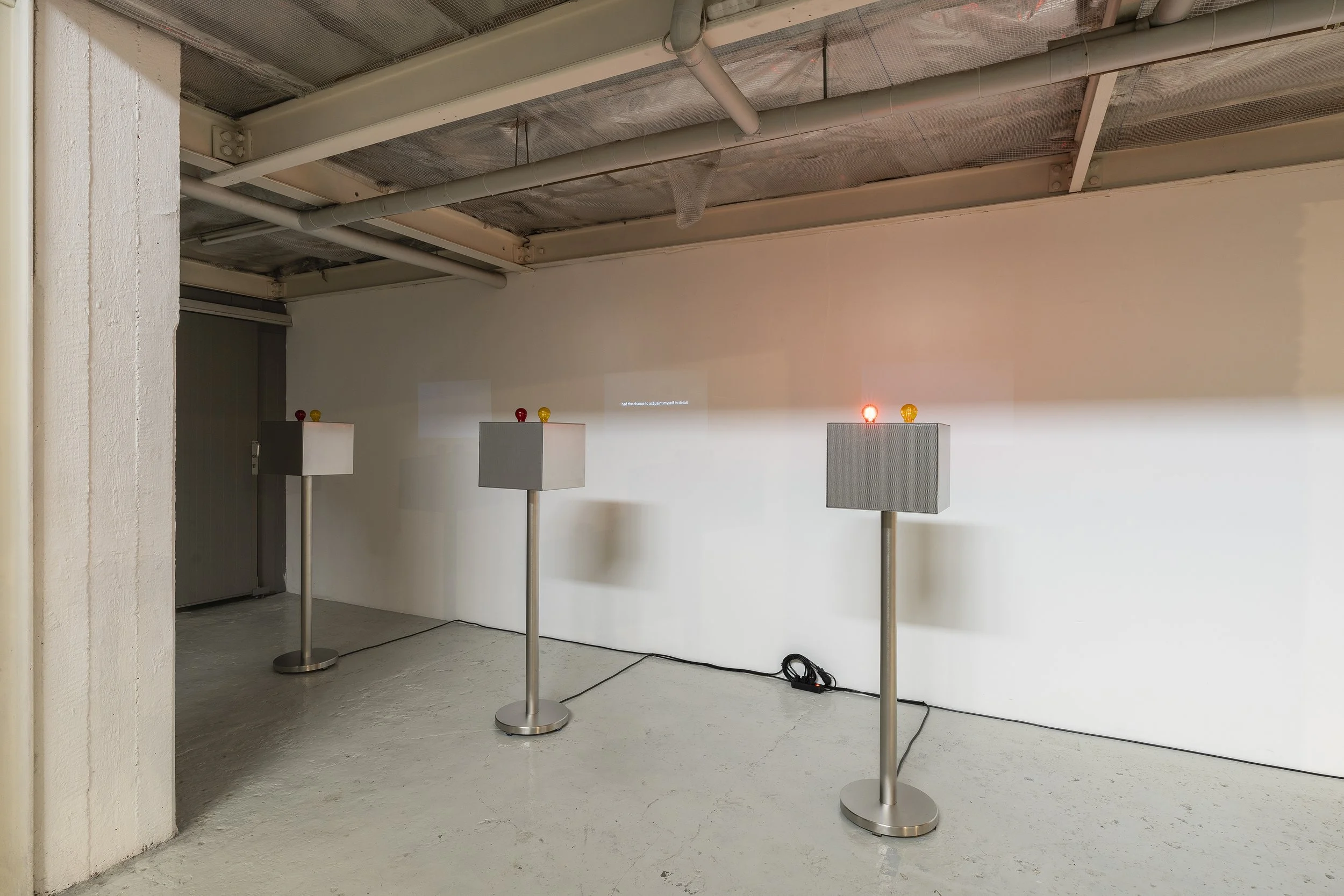
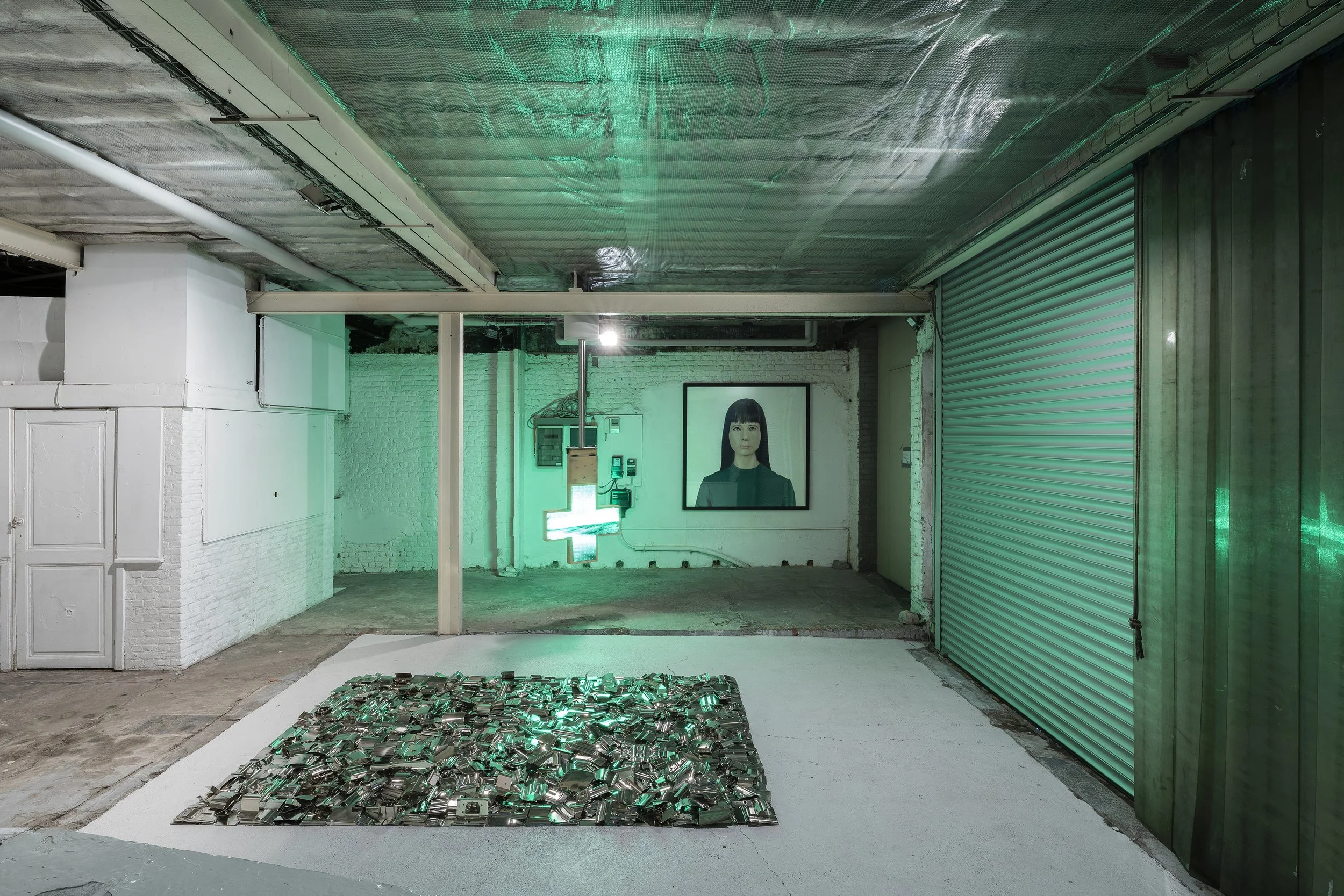
On the ground floor, Lawrence Abu Hamdan’s The Witness-Machine Complex serves as the exhibition’s first operative nucleus. Addressing silence as historiography, the work examines the invisible role of translators during the Nuremberg Trials and the newly developed technologies that enabled simultaneous translation. While their labor was essential to the proceedings, translators were largely excluded from official records and filmed documentation. Their presence survives only indirectly through the flashing lights used to regulate the flow of speech, revealing how testimony, interruption, and archival construction are deeply shaped by forms of mediation that often remain unseen. Through this lens, silence emerges not as an absence, but as an active force in the production of historical narratives. Around this conceptual center, works by Mathis Altmann, Mona Hatoum, Young-jun Tak, and Mohammad Suliman reveal a present saturated by language and visibility, where silence itself becomes increasingly instrumentalised, monitored, and optimized. Silence emerges not as an absence external to speech, but as a force actively produced within systems of representation and historical narration.
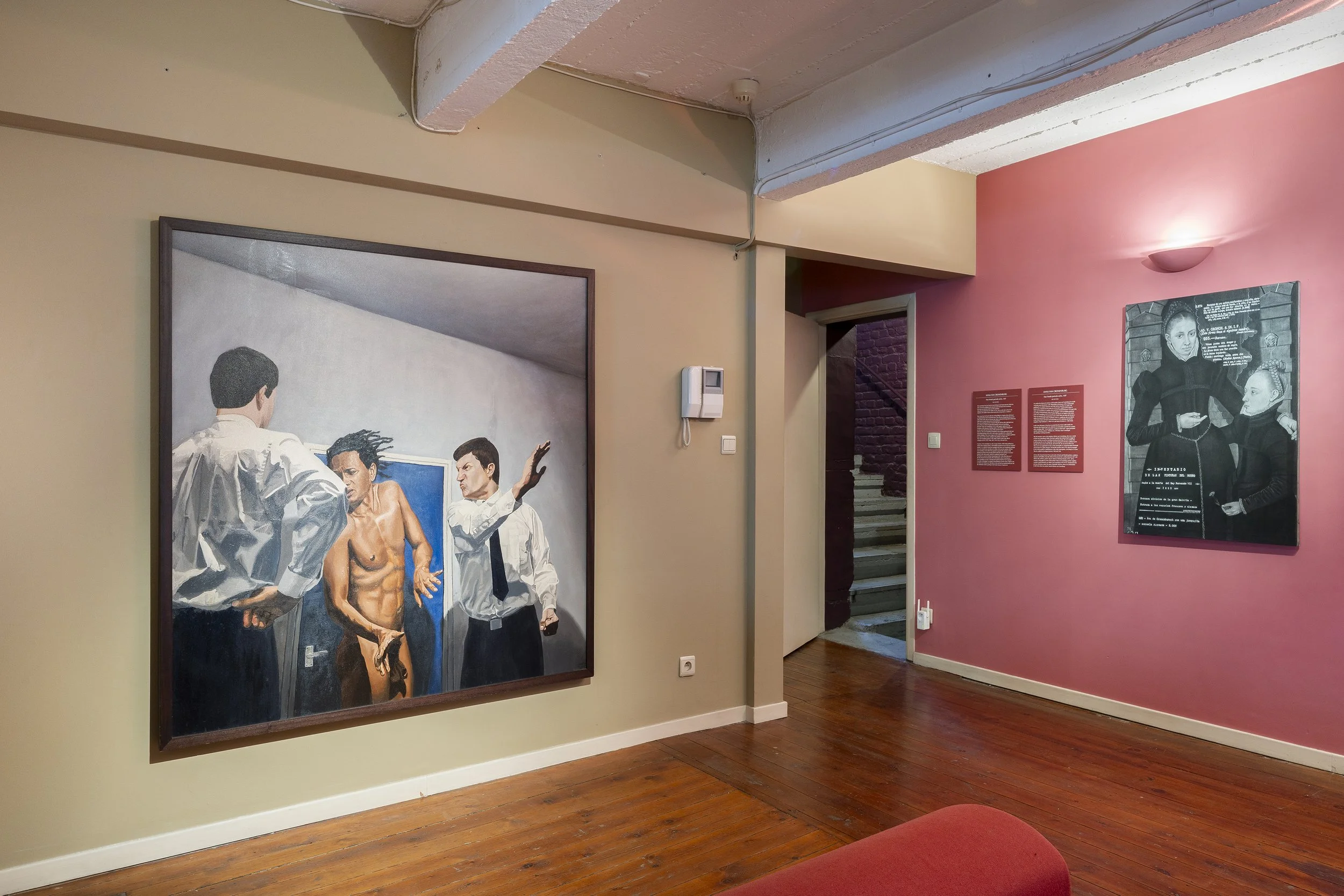
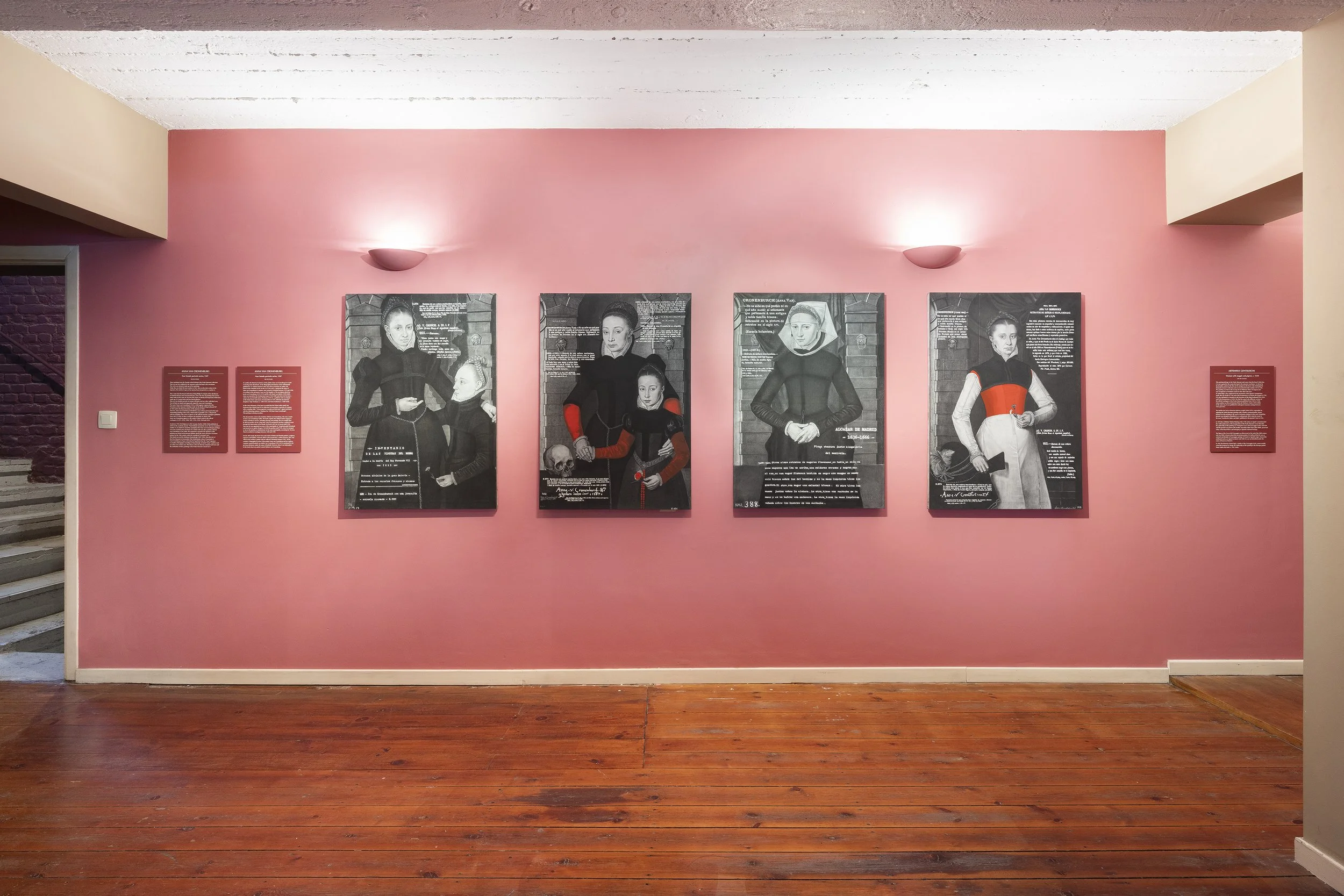
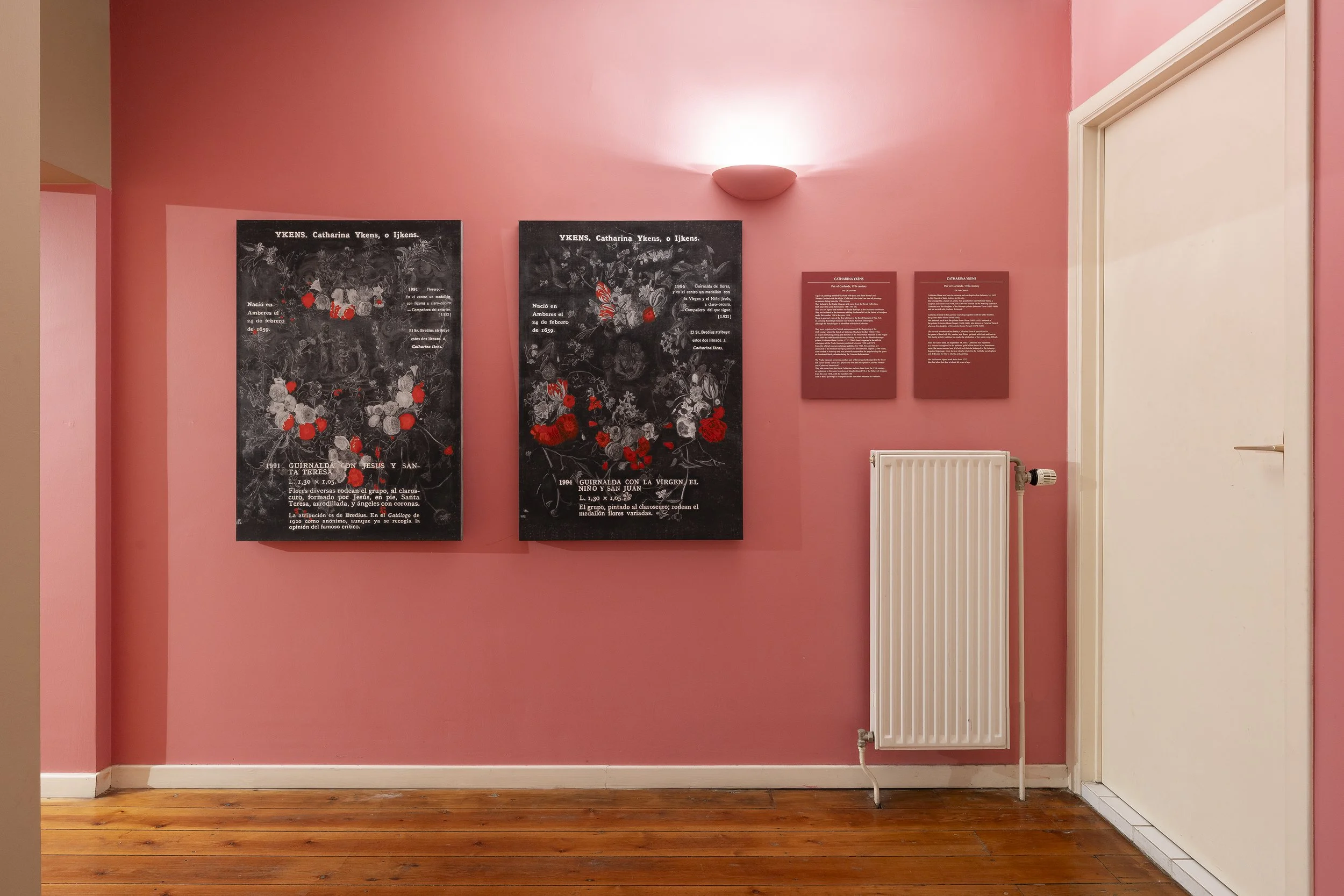
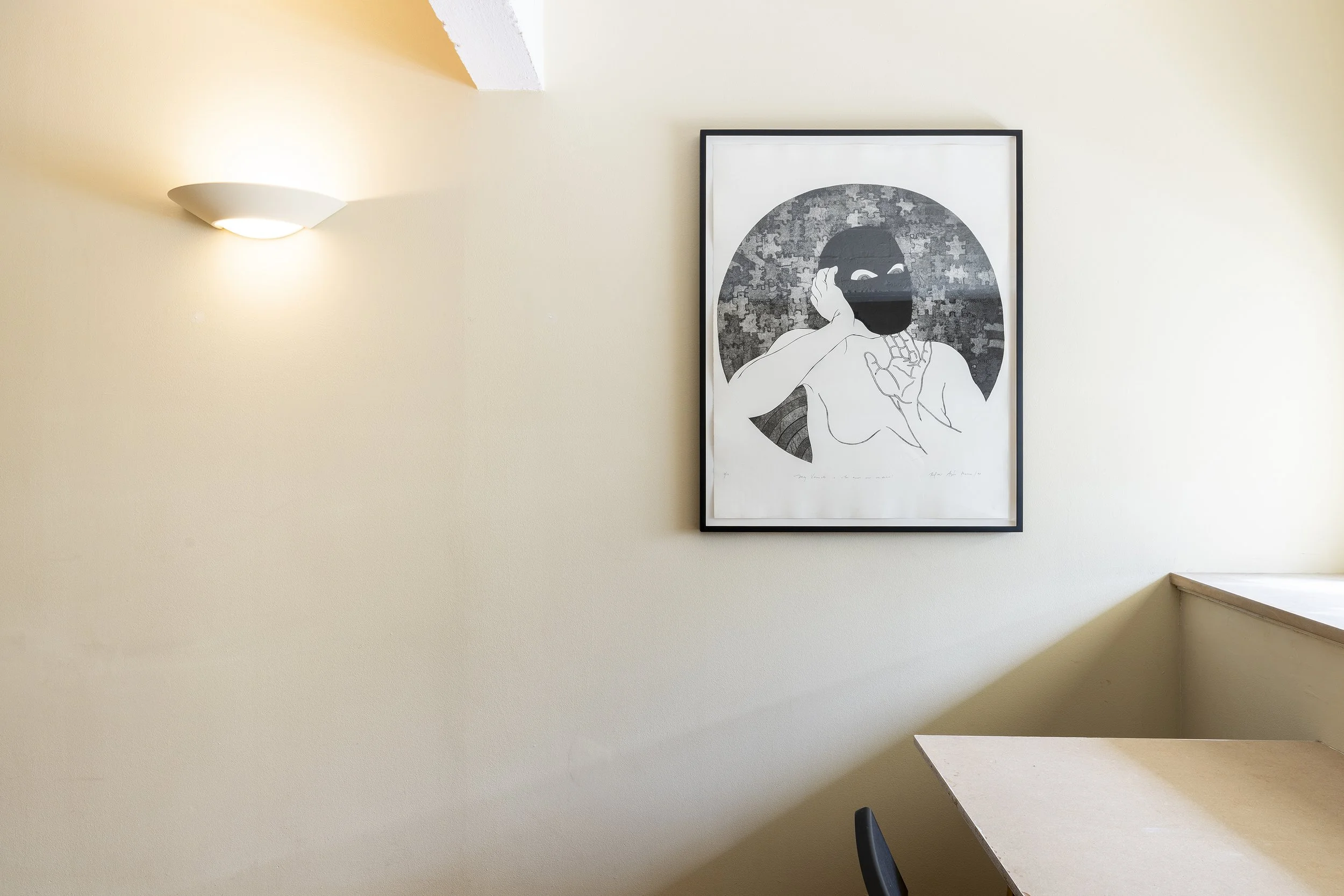
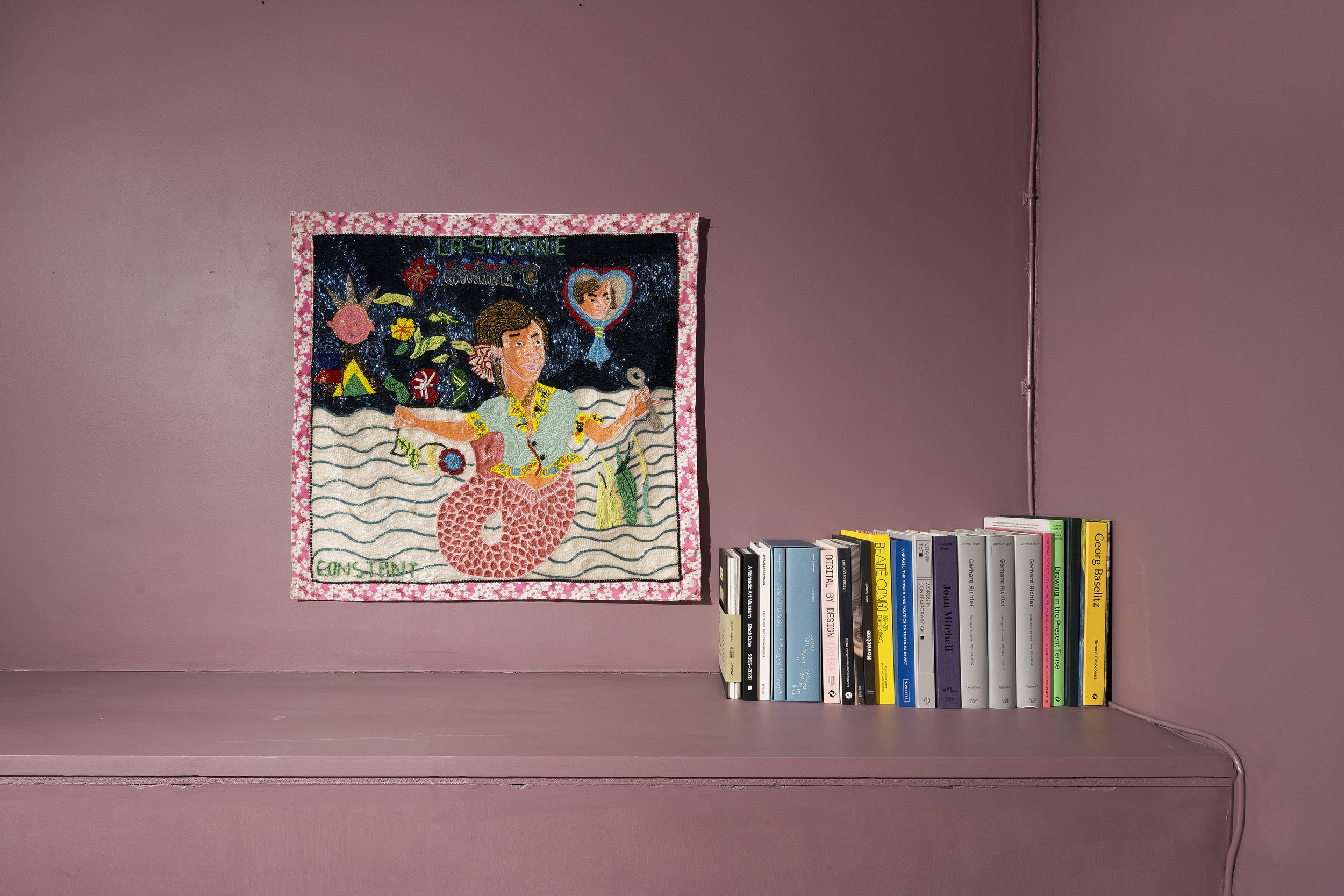
The first floor unfolds from Diana Larrea’s investigation into the erasure of women artists from institutional archives. Drawing on historical inventories and catalogues from the Prado Museum, the artist exposes how works once attributed to women were subsequently reassigned to male artists. By revisiting these archival records, Larrea questions the authority traditionally granted to written testimony, revealing how archives themselves are shaped by omissions, biases, and unchallenged historical assumptions. Silence emerges here as a mechanism of suppression, embedded within the very structures that produce and preserve cultural memory. Works by Regina José Galindo, Kimathi Donkor, Clemen Parrocchetti, Myrlande Constant, Belkis Ayón, Venuca Evanán, Ghada Amer, Ana Paula Santana, and Rada Akbar explore how silencing operates simultaneously as violence, survival strategy, and site of resistance. Across embodied memories, intimate narratives, and material gestures, erased voices re-emerge through coded, affective, and symbolic forms.
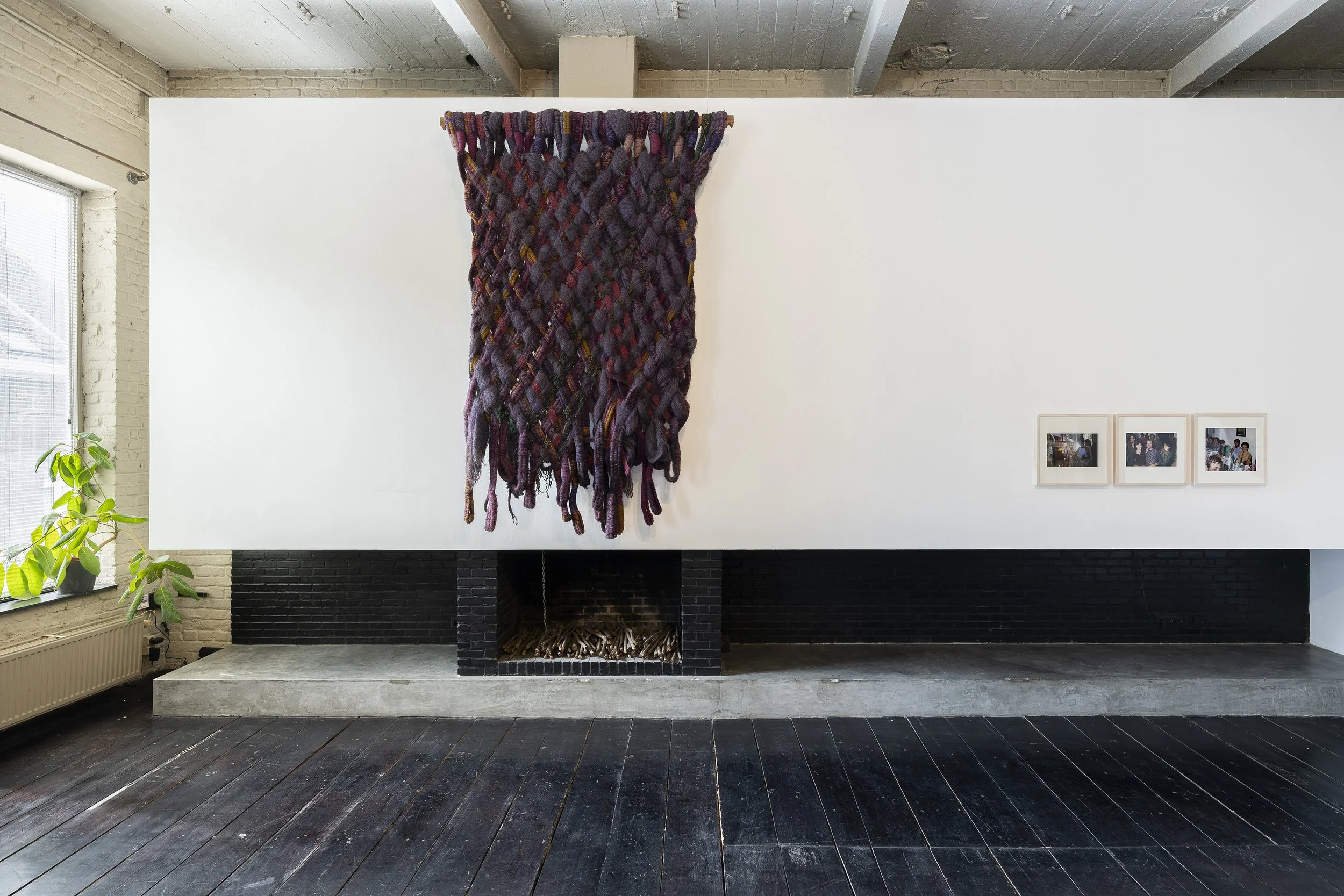
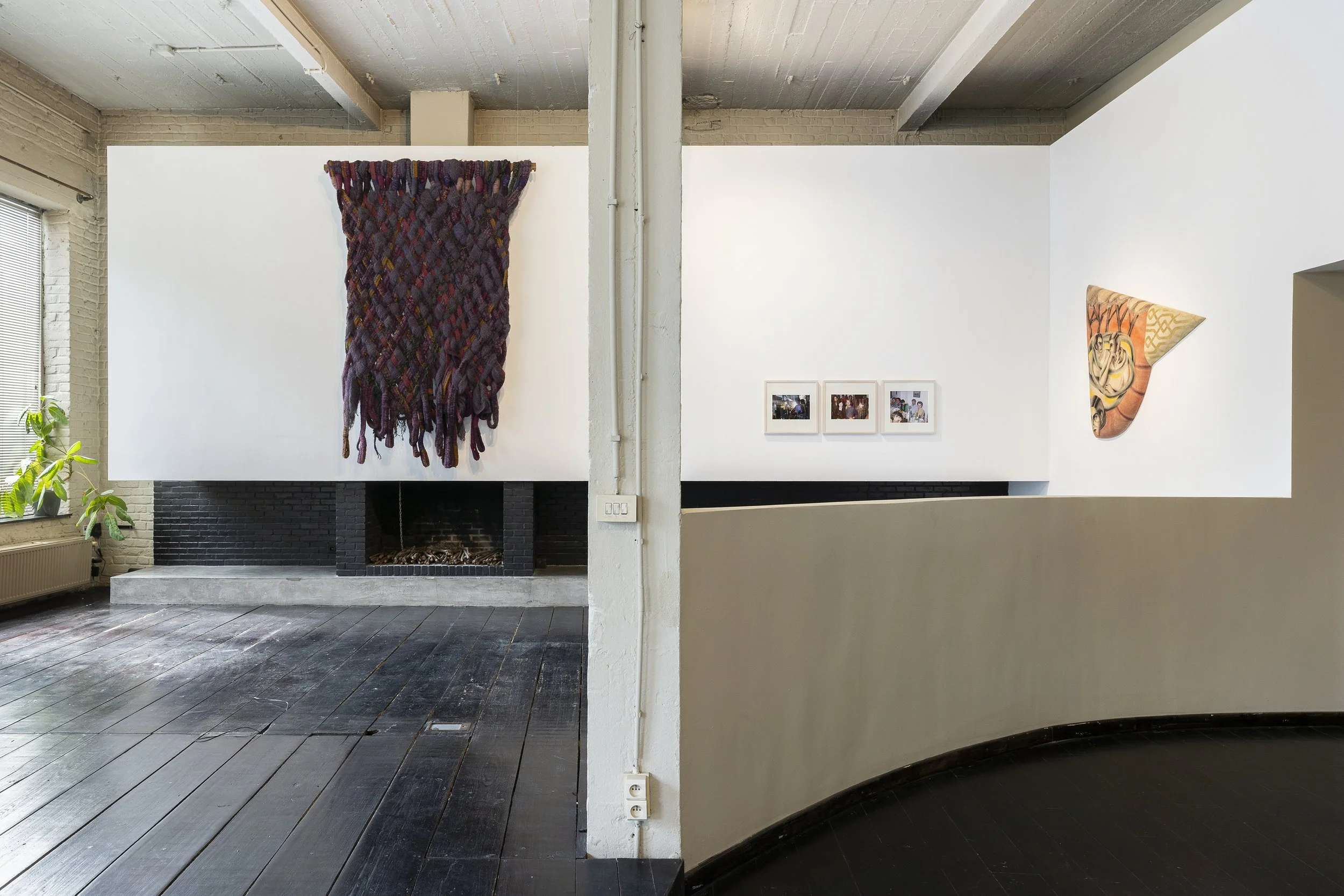
The second floor is articulated around Olga de Amaral’s woven installation, where silence becomes material, spatial, and contemplative. Through the suspended intervals within her textile structures, the exhibition opens onto silence as interiority - a space of mourning, transmission, genealogy, and repair. Works by Farid Belkahia, Sophie Calle, Moira Ricci, Paula Rego, Anju Dodiya, and Leila Zelli construct environments of reflection in which silence becomes a condition for memory and transformation. Here, silence is approached not as void, but as a medium through which proximity, solidarity, and collective resilience can emerge.
Across its three movements, hear/here constructs silence as a complex topology — at once anthropological method, poetic language, and political condition. Moving between archival absence, imposed muteness, and contemplative stillness, the exhibition reveals silence as an active medium through which power, memory, and subjectivity continue to be negotiated.
© Hugard & Vanoverschelde